
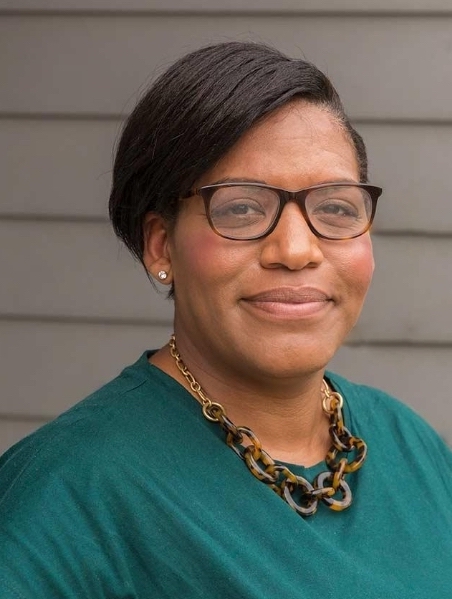
My path to educational leadership research has been shaped by a deep commitment to justice and a genuine belief that schools can be sites of transformation and liberation. I’ve had the privilege of working across K-12 and higher education settings, always asking the same fundamental questions: How do we lead in ways that center equity? How do we respond to crisis without further marginalizing vulnerable communities? And how do we build systems that support liberation rather than oppression?
These questions have guided over 15 years of work in educational leadership and crisis management, culminating in frameworks that school leaders can actually use in their daily practice.
I’m driven by the conviction that school leaders have tremendous power—power to either perpetuate inequities or dismantle them. Crisis moments amplify this power. During difficult times, leaders make rapid decisions that can either protect the most vulnerable students or leave them further behind.
My research seeks to equip leaders with the tools, frameworks, and critical awareness needed to choose equity every single time.
I use post-colonial and liberatory theoretical frameworks to examine educational leadership and policy. This means I’m constantly asking: Who holds power? Who benefits from current structures? And how can we reimagine leadership to serve marginalized communities?
My methodology is deeply qualitative, centering the voices and experiences of school leaders who are doing this challenging work every day. I use cross-comparative qualitative methods, portraiture methodology, grounded theory, and case study analysis to uncover the nuanced realities of equity-oriented leadership in practice.
Right now, I’m particularly interested in what I call polycrisis—the overlapping, interconnected crises that school leaders face simultaneously. From the COVID-19 pandemic to racial justice movements, climate disasters to economic instability, today’s educational leaders aren’t navigating one crisis at a time. They’re leading amid multiple, compounding challenges.
My forthcoming work develops the Theory of Educational Leadership Amid Polycrisis (TELAP), which bridges gaps in how we understand and support leadership during these complex times. I’m also writing The Hopeful Leader for Bloomsbury Academic, exploring how critical hope functions as a leadership practice.
Ph.D. in Educational Leadership
Associate Professor, Department of Educational Leadership Montclair State University